Category Archives: Uncategorized

How Long Does a Modified Bitumen Roof Last?

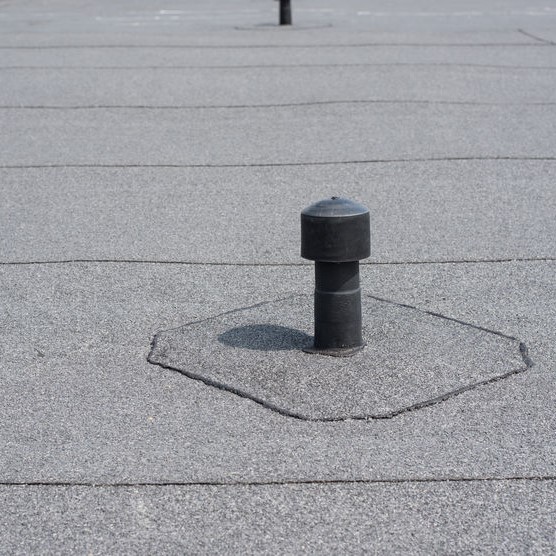
Modified bitumen roof

Are You Interested in a Modified Bitumen Roof?

With the wide range of weather in the Dallas, Texas area, a commercial structure needs the best roofing material possible. It has to be able to withstand hot blistering sunny days of Texas summers to ice and snow during the winter, with hailstorms in the spring that can do the most damage. It is because of this varying weather that more commercial structure owners are going with a modified bitumen roofing system.  

What is a modified bitumen roof?

Many experts in the commercial roofing industry consider modified bitumen roofing as a built-up roofing system’s cousin. BUR (built-up roofing) has been the most common roofing material for over 100 years for flat or low-sloped structures. Today, modified bitumen roofing is taking its place. 

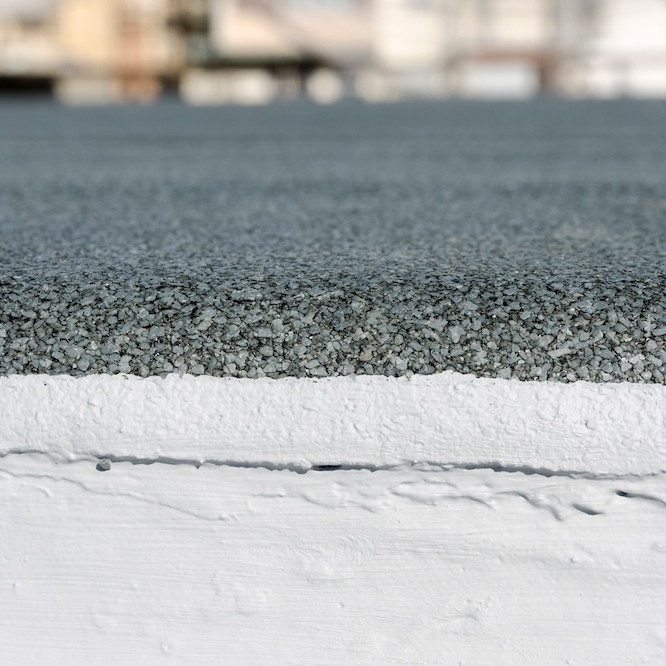
Modified bitumen roofing is made by combining asphalt with polymerized rubber or plastic, then fiberglass is used to reinforce the product, creating a flexible, but rugged waterproof membrane. This roofing material can be installed in two layers or a multi-ply system.

How long does a modified bitumen roof last?

When installed correctly and maintained as recommended, a modified bitumen roofing system can last up to 20 years or more. This long lifespan is one reason for its popularity as well as the two different installation processes: 

  • Torch-down
  • Peel-and-stick adhesive

What are the problems with modified bitumen roofing?

Most problems with a modified bitumen roof occur due to poor installation. It is important to interview several roofing contractors who specialize in modified bitumen roofing and check their references.  The problems that occur include: 

  • Improper roof sloping leads to degrading material and water pooling 
  • Improper application of adhesives leads to seam separating
  • Improperly installed insulation 
  • Moisture seeping into the material causes blistering 
  • Flashing installed incorrectly
  • Punctured, torn membrane from wind-driven debris

You can avoid problems caused by poor installation by contracting a roofing company with extensive training and experience with modified bitumen roofing systems.

What is the most frequent cause of leaks with modified bitumen roofs?

Modified bitumen roof leaks can start leaking for several reasons some of which are: 

  • Improper flashing installation: This can be from not being properly fastened down in most cases. 
  • When modified bitumen roofing is installed by the torch-down method, the head can cause the moisture barrier to leak if not applied carefully. 
  • Modified bitumen roofs may experience leaks when a proper moisture barrier is not installed. 
  • Inadequate backwater laps and head laps can allow moisture to infiltrate the membrane, leading to blistering and leaks.
  • Insufficient adhesive application.
  • Poorly installed seams.

Can you walk on a modified bitumen roof?

Yes, when a modified bitumen roof is properly installed, it will hold up to foot traffic. For any area of the roof that supports building equipment or will be subjected to heavier foot traffic, additional reinforcement may be recommended. 

How do you maintain a modified bitumen roof?

The different seasons and weather here in the Dallas, Texas area can abuse a modified bitumen roof, weakening its structural integrity. The key maintenance of this roofing material is consistent and thorough inspections.  Those inspections should check the following:

  • Exposed Insulation
  • Clean and clear Drainage
  • Broken Welds
  • Holes, Rips, Tears
  • Blistering
  • Ponding water

Which is better TPO roofing or modified bitumen roofing?

When looking for new commercial roofing material, modified bitumen roofing has become a popular choice.  Another choice is TPO roofing. But is one better than the other? Look at the benefits we have listed, and then along with your professional roofing contractor, you can choose the best for you: 

TPO roofing benefits:

  • Flexible in cold temperatures
  • Available in a variety of colors
  • UV resistant 
  • Energy Star-rated
  • Cool Roof-rated
  • Can be installed over existing roofing
  • Lifespan up to 30 years

Modified Bitumen roofing benefits: 

  • Withstands wide temperature ranges
  • Has a greater thickness 
  • Withstands foot traffic 
  • Reflective surface
  • Lifespan up to 20 years. 

Is there more than one type of modified bitumen? 

Yes, there are two, both provide a high quality of protection and your commercial roofing contractor can help you choose which is best for your roofing application. The two types are: 

  • Styrene Butadiene Styrene (SBS):

A rubber-type of polymer that is installed with either a cold adhesive or hot asphalt mopped on. 

  • Atactic Polypropylene (APP): 

A plastic-type of polymer that is installed either by heat-welding or torch-applied.

In Closing

Choose a commercial roofing contractor who has worked with all types of roofing systems, including a modified bitumen roofing system. Ask for referrals and check those references for satisfaction of the completed job. Getting two to three different quotes is always recommended and getting the quotes in writing as well as their warranty.  

Before you make the commitment to a new modified bitumen roof or any type of roofing material on your commercial structure, check with your CPA on tax agreements. If you have need of a modified bitumen roof in Dallas, TX, get in touch with us today at 214-373-1500!
How Do You Repair an Old Slate Roof?

A Slate Roof

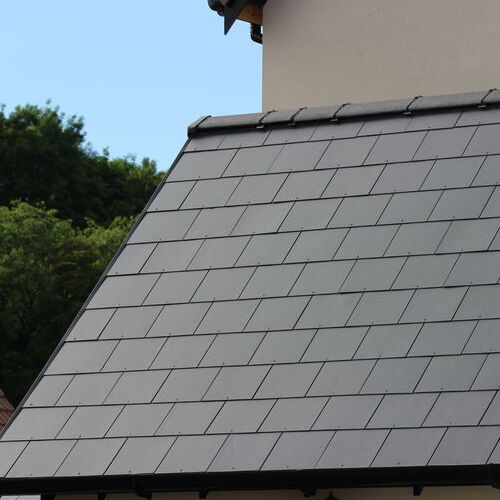
There are many different sizes, styles, and ages of homes in the Dallas, Texas area.  Some of the older parts of the city were built to last, including having a slate roof. Repairs are necessary on the structures, however, including the roofing. However, slate roof repairs require an experienced contractor who has worked with slate roofing material.   

When a slate roof is damaged, replacing it can be costly, depending on the size of the home. The cost can start around $10,000 and go upward of $50,000 or more. Is it worth repairing a slate roof? Absolutely, after you get price quotes to replace the slate with slate, the possibility of having professional slate roof repairs is the more cost-effective option. 

However, the age of the roof and the extent of the damage can have an impact on slate roof repairs.  If the roof has reached its prime of 100 years or older, has extensive damage, and depending on the method used to complete the repairs, it could make the cost inconceivable. 

What are the methods of slate roof repairs? 

Two acceptable methods for slate roof repairs that require the slate tiles to be replaced. Those two methods are:

  • Nail and Bib: This is the most used slate tile repair/replacement method. The contractor will remove the broken slate tile with a slate ripper.  The replacement slate tile is then anchored to the roof using a nail that is inserted between two slate tiles. Then the row above is returned, overlying the new slate tiles. 

A small square of flashing made of aluminum, copper, or other corrosive-resistant metal is slid under the two slates and overlying the next course above the new slate tile and over the nail head. 

  • Slate Hook: This method is done by using a 3” long hard wire hook made of copper, galvanized steel, or stainless steel. A small, exposed loop hooks to the replacement slate, pulling it into place. The hook is left, which is why they are typically a color that blends with the slate. 

Can cracked slate roof tiles be repaired instead of replaced? 

If the cracks are minor, then yes, a waterproof sealant can be used to repair the crack. However, it is recommended to have the entire roof inspected, especially around the cracked slate tile. Depending on the extent of the damage and if there are any issues like structural or wood rot issues, a slate tile roof replacement may be the better option. 

What are the downsides of a slate roof?

Slate roofing was commonplace in the early settlement years of Dallas, and for a variety of reasons, it has become a popular choice. Those reasons include the aesthetic, and unique beauty it gives a home. You can get a distinct look with wide choices in colors, sizes, and thickness. The long, long lifespan, environmental friendliness, weather resistance, and everlasting durability are key reasons people are choosing a slate roof. Repairs are the biggest downside to this roofing material, but there are other downsides too, including: 

1. The Weight

A significant issue with having a slate tile roof is the weight. Because of the significant extra weight of these tiles, up to 800 pounds per SF, the structure should have an engineering inspection before installing the slate tile. A house that isn’t approved by engineering can end up collapsing under the weight. 

2. The Installation 

The installation of slate roofing is challenging and time-consuming. Depending on the size of the home and where the slate tiles are coming from, the installation can take up to 3 or 4 months. 

3. The Repairs

Not only is the installation difficult for a slate roof, repairing it can also be just as difficult. The first challenge in the repair process is finding new slate tiles that match the existing tiles. Slate is a natural material that is found in a variety of colors, shapes, sizes, and thicknesses. If a slate roof repair requires replacing any of the tiles, they most likely are not going to 100% match, which can affect the overall aesthetics.

4. The Fragileness

A slate roof can be confusing. On the one hand, we’re told they are durable. They can withstand the weather, fire, and more. Yet, it is also a fragile material. Foot traffic is discouraged because stepping on the tiles in the wrong manner can break the tiles. This is why slate roof repairs should only be done by an experienced contractor who has the knowledge and proper equipment to complete the job without causing more damage. 

5. The Installers

Just as with slate roof repairs, the installation should be done only by an experienced contractor. Because the installation process itself is challenging, and the tiles can be easily damaged if mishandled or installed wrong, it can be hard to find a local roofing contractor with slate tile experience. 

6. The Cost

This may be the number one reason why more homeowners do not choose slate roofing. The upfront cost is as much as 5x more than asphalt shingled roofing. 

In  Conclusion

So, with all of this information, you have to wonder if a slate roof is worthwhile. From the homeowner aspect, if you’re going to stay in your home for the unforeseen future, yes, a slate tile roof is worthwhile. But if flipping it may be on the nearby horizon, it can raise the value of your home, but may not be enough to recoup the cost.

What Do Insurance Adjusters Look For On Roofs?

Insurance inspector ascending roof via a ladder

Learn More About the Insurance Inspection Process

Within your homeowner’s insurance policy is coverage for the roof. Insurance claims this time of the year in Texas are frequent and many as hailstorms and high winds come with the spring season. Insurance coverage for the roof covers any damage caused by unforeseen events like accidents, tree branches (or trees!), and the weather. 

Not all insurance policies are the same, they can vary from house to house, even if every one of your neighbors has the same insurance company. As a homeowner, you should review your policy from time to time so that you’re not hit with surprises if you should ever need to file a roof insurance claim. 

How Do Roof Insurance Claims Work? 

When your home’s roof is damaged during a storm or other unexpected event, you need to contact your insurance company and advise them you need to file a roof insurance claim. They will assign a claim number to your file and assign a company insurance adjuster. 

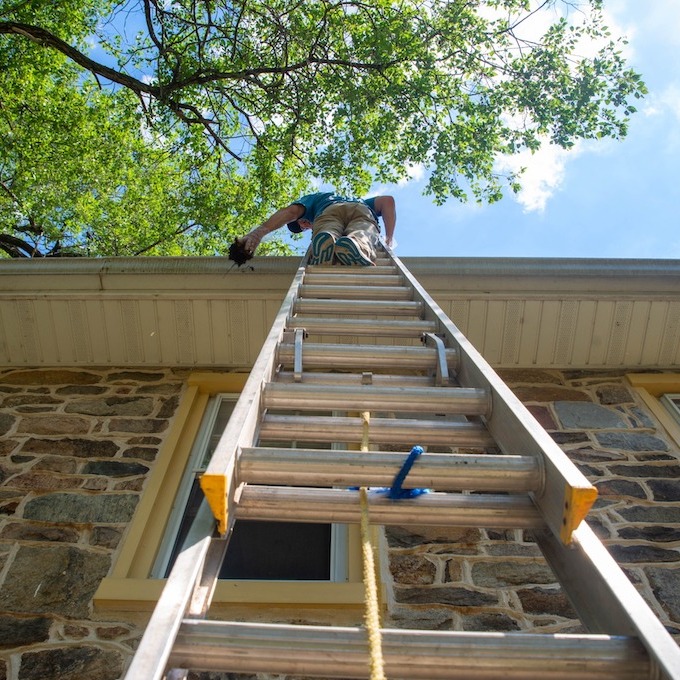
The adjuster will schedule a time to come inspect the damage and take notes and pictures, possibly videos of the inside and outside of your home where the damage is located. Today, many insurance companies are using drones to save them from having to climb up on the roof. They will then advise you how much the insurance company will pay, less your deductible. 

What is an Insurance Deductible? 

This is the amount of money you are required to pay out of pocket prior to the insurance company paying your roof insurance claim. The deductible is based on the type of coverage you choose when you purchase your insurance policy. 

There are two different types of roof insurance claim deductibles you can choose from, and both provide help with the expense of replacing the roof. The two different types and how they work are: 

  • ACV (Actual Cash Value)

The insurance company will pay the amount of money needed to repair or replace your roof less the decreased property value due to the age of the roof. 

  • RCV (Replacement Cost Value)

The insurance company will pay the amount it cost to repair or replace your roof at fair market value. With this type of policy, your insurance company may pay the ACV, and then once you have proof the job is complete and paid in full, you’ll receive a check reimbursing you for the extra cost you paid out of pocket, referred to as “Recoverable Depreciation.” 

You should have your insurance agent review both of these with you. The RCV option will have a higher premium, but the payoff will be noticed if and when you need to file a roof insurance claim. 

How Does the Insurance Adjuster Determine if the Roof is a Total Loss?

First, you need to understand that the amount of hail that came with the hailstorm is not what the insurance adjuster will use as a guide as to whether they are paying for a full roof replacement. Factors that consider are the roof’s age and the extent of the hail damage. They will consider several weather factors in their decision making too, such as the direction, frequency, and size of the hailstones. Some indicators the roof insurance claims adjuster will use to determine if you’re getting a new roof are:

  • Missing granules
  • Exposed layer under the shingles
  • Soft & spongy areas where granules are missing (this is referred to as bruising)
  • If the fiberglass mats are broken or cracked 

Other things the roof insurance claims adjuster will look at include: 

  • Signs of leaking roof inside the attic and house
  • Peeling paint on the eaves, fascia, and soffit
  • Shingles that are buckled, curled, loose, or missing
  • Damaged or rusted metal flashing
  • Signs of wood rot 

It isn’t uncommon for a homeowner not to be aware of what a roof insurance claims adjuster is going to look for, so ask questions and do your research. While they want to make sure your home is safe and habitable, they are also on the side of the insurance company. 

As such, it is recommended to have your roofing contractor present when the roof insurance claims adjuster arrives to inspect the roof and other damaged areas with them.  The roofing contractor is on your side!

Why Would a Roof Insurance Claim be Denied?

Ah, the question asked by many homeowners: “Why was my roof insurance claim denied?!”  The roof of your home is an important component. You pay your premiums every month like clockwork, and yet,  when you filed your roof insurance claim for hail damage, wind damage, or maybe a tree fell on your house, they denied the claim. What reasons could an insurance company possibly have for denying a claim? Here are six possible reasons: 

  • Wear & Tear

The roofing materials used today are made with the latest technology to provide you with a longer lifespan. Yet, still with harsh weather conditions and the climate, any type of roofing material will start to degrade. While most asphalt shingles offer 20, 25, or 30-year warranties, you can be prepared to need a new roof within 15, 20, or 25 years respectively. 

This happens as we stated, the weather and simply aging, but lack of maintenance on your part can shorten the lifespan too. If the roof insurance claims adjuster deems the roof has reached its end of life prior to the damage reported, or the roof has been neglected, they will recommend the company deny your claim.

  • Damage Previously

Here in Texas, it’s unlikely that we’ll go 30 years without any significant weather events like hailstones, hard rains, high winds, or ice. What you should realize with your however, is that any repairs for damage prior to taking out your homeowner insurance policy will not be paid for the current/new policy. 

A homeowner’s roof insurance claim will only be honored for recent damage. If there is a combination of old and new damage, whether or not the insurance roof claims adjuster determines to deny will be based on the previous damage being the main source of damage.   

  • Partially Damaged

In order for your roof insurance claim to be approved for full roof replacement, the adjuster will need to determine if there is enough damage to justify it. This can be an iffy situation because every adjuster may have a different view while inspecting the roof. A partial repair or replacement denied claim is more often than not a disputable matter and the homeowner comes out the ‘winner’. 

  • Manufacturing Defect

If the roof insurance claim adjuster declares the damage is caused by defective materials, they will deny the claim.  Most major roofing material manufacturers have a standard limited warranty when you purchase their roofing materials. That warranty will provide coverage if the specifics they have set forth are met, starting with the roof must be installed by an approved roofing contractor. 

  • Late Roof Insurance Claim Filing

Most home insurance policies state that any insurance claim against the policy must be filed within 365 days from the time of damage. Failing to file that claim can result in your claim being denied. 

At The End of The Day

If your roof insurance claim is denied, is that it, there is no other avenue to try. Absolutely not! You can dispute the denial with your insurance company, and if you still don’t receive what you feel is a fair decision, you can hire an independent insurance claims adjuster. 

Are Clay Tile Roofs Worth The Investment?

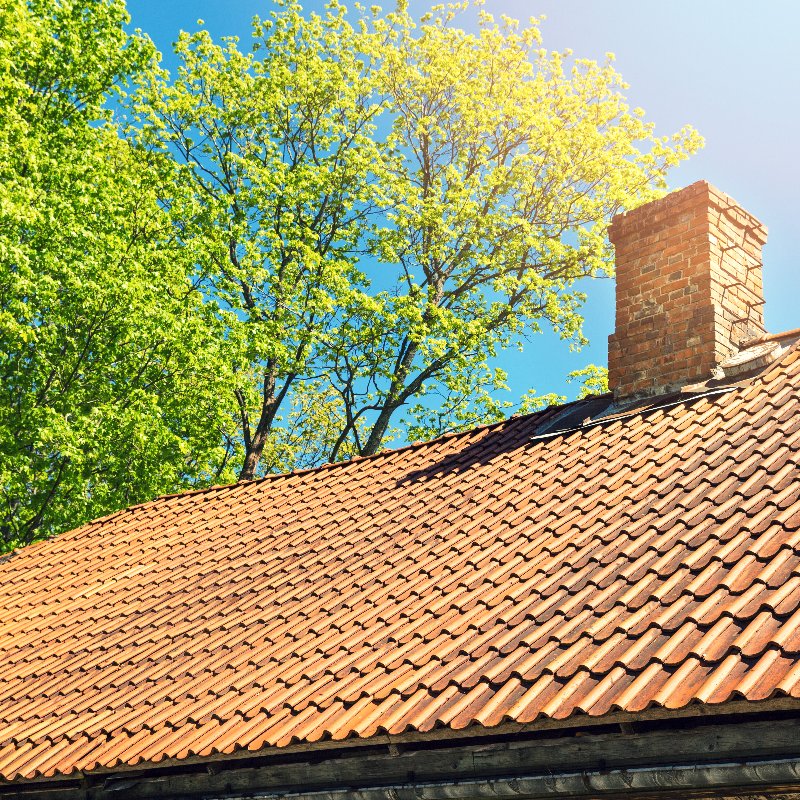
home with a red clay tile roof

The Basics of Clay Tile Roofing

When considering a new roofing material for your home, it is too easy to go with the standard asphalt shingle material. An option that most homeowners never consider is a clay tile roof. Unless you have an endless bank account or your homeowner’s insurance is paying, the first concern is the cost of such an upgrade for roofing.  Are clay tile roofs more expensive than other roofs?

Yes, clay tile roofing is more expensive than asphalt shingles, but when compared to other roofing material options, it is relatively affordable. The process for manufacturing clay tile roofing materials is a long one so that the clay has time to harden and become solid for installation.  Examples of other roofing material costs include: 

  • Asphalt Shingle Roofing ranges between $4.00 and $5.00 per square foot 
  • Concrete Tile Roofing ranges between $4.00 to $6.00 per square foot  
  • Slate Tile Roofing ranges between $10.00 and $18.00 per square foot

How much does clay tile roofing installation cost?

Clay tile roof material can cost between $12 and $20 per square foot. Not only is the process of producing clay tile roof material part of the expense, but the weight of this material affects the cost. It is that extra weight that makes it a durable material along with other advantages. 

What are the advantages of a clay tile roof?

When you choose a clay tile roof, you will have advantages that many other roof materials do not offer, like the following: 

  • Colors: Available in many colors, but the terracotta is still the most popular, especially in the southwest. The other colors can match the architecture and style of any home. 
  • Designs:  Available in multiple design options including ridges and valleys for the traditional appearance of roofing shingles
  • Fire Resistant: Clay tile roof material can give any home an earthy aesthetic that has natural fire resistance.
  • Long Lifespan: A clay tile roof is one of the most durable materials, providing a long lifespan for the investment. How long does a clay tile roof last? A clay tile roof will last up to 75 years or more. 
  • Environmentally friendly: Clay tile roof is a 100% natural material and can be 100% recycled when its active roof life is completed.

In summary, the advantages of a clay tie roof are:

  • Durable
  • Long lifespan
  • Provides insulation
  • Weather resistance
  • Fire Resistant
  • Low to minimal maintenance
  • Adds aesthetic beauty 
  • Environmentally friendly

Are there any disadvantages to a clay tile roof?

As a homeowner, you know that there isn’t anything that is 100% perfect, including a clay tile roof. So, what disadvantages can you expect? 

  • Wind resistance: Yes, a clay tile roof is weather-resistant, but it is not 100% resistant when it comes to high winds. They will come loose, move around, and can even be blown off depending on the angle of the wind. 
  • Weight: Clay tile roof material is one of the heaviest materials. This factors into the cost of this material, and for a home that has never had a clay tile roof, an engineering report will be needed to make sure the structure can hold the weight. 
  • Fragile: Clay tile roofing material is not recommended for areas with cold weather. The cold, freezing temps can weaken the tile, make them brittle, and the slightest pressure can break or crack them. 
  • Cost: A clay tile roof is one of the more expensive choices in the roofing material for the reasons we’ve discussed here. However, the durability and longevity can offset that expense with a higher ROI by not having to replace the roof again for 75 years. 

Does clay tile roof repair need a lot of repairs?

You purchase a clay tile roof for the beauty and curb appeal, you certainly don’t want to be chipped, cracked, or broken tiles marring the appearance. Fortunately, repairs are infrequent, typically responding to a tree branch or limb falling on it, or a hailstone.  

Do clay tiles roofs leak easily?

Most clay tile roof leaks are due to poor workmanship of installation and/or repairs. Getting the under decking membrane installed properly is key to a leak-free clay tile roof. Never hire a roofing contractor that doesn’t have experience in clay tile and has recent references to share with you.

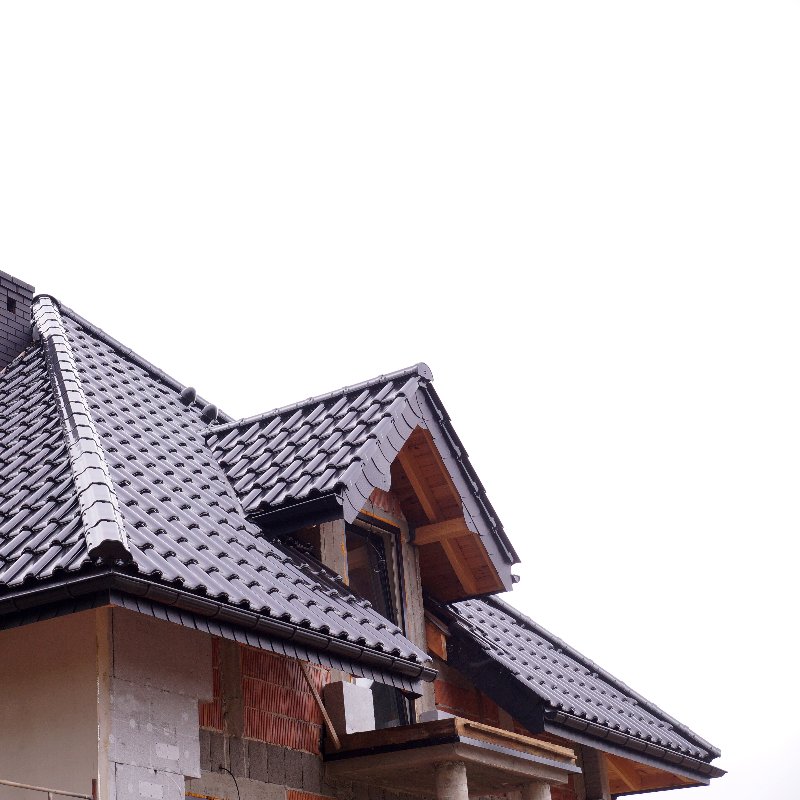
home with a dark gray clay tile roof

Ending Comments: Maintenance and Upkeep 

Once you’ve invested in a clay tile roof, you’ll want to keep the maintenance up to date, which will include cleaning it.  How do you maintain a clay tile roof? Fortunately, cleaning and making any necessary repairs are the only maintenance your clay tile roof will require. 

Keep trees trimmed back away from the roof. Monthly, check for any tree limbs, branches, leaves, or other types of debris, and remove them. The long these things sit on your roof; the more likely damage will occur.  

Is a clay tile roof easy to clean? Over time, your clay tile roof will gain some unsightly stains and streaks. These can be washed off using a mixture of detergent and water with a low-powered washer. Never use a high-powered washer will avoid having any clay tile broken or knocked loose. 

What does EPDM mean?

close up of epdm

You’ve heard about epdm roof. What is it, though?

EPDM is short for ethylene propylene diene terpolymer, and the most common roof that EPDM roofing material is installed upon are flat or low sloped roofs. EPDM roofing is an exceedingly durable synthetic rubber membrane used primarily for roofing on commercial and industrial structures. 

EPDM roofing membrane is sold is different thicknesses and widths in both black and white. Which color is used will depend on the climate the structure is located and the needs of the building owner and occupants. EPDM roofing is installed by three different methods: 

  • Fully adhered.
  • Mechanically attached.
  • Ballasted – the process of sealing the seams with a liquid adhesive or a formulated tape.

Is EPDM plastic or rubber?

The material used for EPDM roofing is a M-Class rubber according to ASTM standard D-1418, industry guidelines. The M class consist of elastomers with a saturated chain of the polyethylene type, with the M developing from the further correct term polymethylene. 

For this article, we’ll be focused on this rubber material being used for EPDM roofing purpose, but there is a extensive range of other applications EPDM is used. Such as the rubber seal around the doors and windows of vehicles and the hoses under the hood of vehicles for the cooling system hoses. EPDM is also used in cold-rooms and as non-slip coatings for decks and playgrounds, along with many other applications. 

Is EPDM roofing any good?

EPDM roofing is an extremely durable material that is algae and moss resistant which minimized damage. Repairing EPDM roofing is easy and inexpensive, and because it is installed in large roll out sheets, there are few seams, meaning less possible leaking. 

 Let’s discuss the differences between epdm roof vs tpo roofing. TPO roofing systems has come on the commercial roofing scene and holds credit for as much as 50% of the single-ply roofing market. TPO roofing (Thermoplastic Polyolefin) is a single-ply roofing membrane consisting of synthetics and reinforcing scrim. 

TPO has energy efficiency regardless of the climate because it is light colored when the hot sun rays hit and turns dark when the weather is cold. It is a puncture resistant and can be installed adhesively, mechanically, or welded, even repairs can be welded. 

EPDM roofing advantages are some of the reasons it is the chosen flat roof material over TPO: 

  • Inexpensive
  • Lightweight
  • Installed with adhesive, mechanically, or epdm roof with ballast, a popular choice.
  • Durable
  • Scratch and scuff resistant
  • Works with adhesives, latex tape, liquid membrane and rubber shingles installed over it
  • Strong resistant to UV rays
  • Repairs easily with patches

Is EPDM better than felt?

EDPM roofing is the better choice over felt roofing for several reasons.

  • EPMD is installed without hot torches or boiling tar, minimizing the risk of fire. Felt roofing is installed by bitumen boiler or torch. 
  • EPDM roofing is seamless roof and less likely to have leaking joints. 
  • EPDM roofing is durable, UV ray resistant, and has a 300% stretch before breaking, making it a watertight flat or low slope roofing material that is flexible in all weather conditions.  Felt roofing becomes brittle with UV ray exposure, cracks in cold weather, an absorbent material, it doesn’t drain well, creating ponding and possible leaks. 
  • EPDM roofing is more expensive than felt roofing, but with a long lifespan, replacing the roof is years into the future where felt roofing will need frequent replacing. Felt roofing can develop a slow leak that goes unnoticed, creating structural damage until it is detected. 
  • EPDM is nonporous, making it resistant to algae and moss, still looking as good at 20 years old as it did when installed. An exceptionally low impact to the environment because it has a long lifespan versus TPO roofing having to be replaced every few years, adding to the landfills. 

Can you put EPDM over felt?

With overboarding, yes, EPDM roofing can be installed over felt roofing with no problem. 

It is recommended that any repairs be completed, and any rot removed before installing EPDM roofing material.

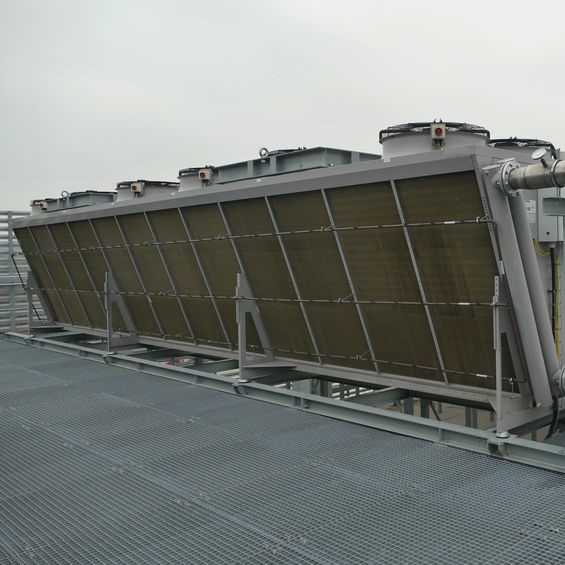
EPDM and HVAC units

How long does a EPDM roof last?

With little maintenance and upkeep, EPDM roofing has been known to last over 50 years. With the new formulas used for manufacturing EPDM roofing materials, it has become practically invulnerable to radiation and damaging UV rays.

Is epdm roof with gravel necessary?  Maybe, maybe not. Commercial roofing contractors use gravel on flat roofing jobs for two reasons: 

  • A layer of protection for the underlying layer
  • To weigh down the roofing material

With a ballast roof, like EPDM roofing, gravel is applied primarily to weight the EPDM roofing membrane down, especially if it wasn’t installed with an adhesive. Ballast stones for EPDM roofing are one to two inches thick and a generous amount is applied on a built-up roof. This minimizes roofing application costs because it is quicker than the crew sealing the seams together. Need help with an EPDM roof installation in Dallas, TX? Call 214-373-1500 today.

Is Imitation Tile Good?

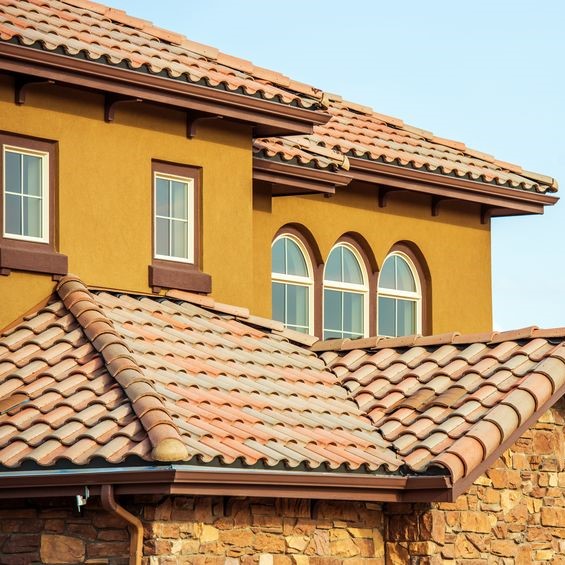
tile roof on spanish style home

What are imitation roof tiles?

Tile roofing is beautiful and on certain homes, it is what completes the grandeur. Today, actual tile is expensive and the weight of it almost makes it impossible to have that final touch of grandeur. That is where imitation tile comes into the picture.

What is the difference between Imitation roof tiles vs traditional tiles? Imitation tile, often referred to as synthetic tile has become big player in homes today. When you’re having a custom home built, you want the best of the best, but when it comes to traditional tile, imitation tile is just as beautiful today as the real thing.

Today, imitation tile, synthetic tile, or composite roof tiles, have the same appearance and provide that touch grandeur as real tile. Aside from that, why choose imitation tile if you can afford the real tile?  

  • Imitation tiles offer the same appearance of natural slate and other types of real tile. However, they are made from recycled materials today, making them an ecofriendly way to roof your home.
  • Imitation tiles are less expensive because they are lighter weight than original tile, yet they are more durable. It will be years down the road before you’ll need to make any repairs or replacements, and most imitation tiles come with a fifty year warranty.
  • Imitation tiles are resistance to the elements and weather, unlike the Spanish tile that has always been susceptible to the water, wind, and any type of  storm damage. Where Spanish tile roof would come loose and blow off in high winds, imitation tiles stand their ground.
  • Imitation tile is lightweight and for a home that never had tile roof, there is no need to make special structural changes before installing. Whereas the original tile would require engineering inspection and possible bolstering the structure to hold the tile roofing because of their weight.

Can you get plastic roof tiles?

Yes! They are becoming more popular each year too.  When we speak of plastic, we usually think of cheap and flimsy, an environmentally-hazardous material that should go away if the Earth is going to last for future generations. However, that is the consumer-grade plastic that fits that description.

Today, imitation tile can be made from industrial plastic materials, a completely different type of plastic made from different polymers than the water bottles. There are plastic roof shingles that are as durable and reliable as any other type of roofing material and more lightweight than you may imagine.

Which roof is better metal or tile?

 Metal roofing has made a hit in residential areas the past few years. It is no longer the rusty, ugly metal roofing on the old barns, but does that make it better than tile roofing? Let’s look at the comparisons:  

Design: For centuries , concrete roofing tiles have been used on homes and other structures, so evidently, they can withstand the test of time. There are various profiles with tile, from a big barrel look to flat and smooth surface. They come in different textures and can be chosen to match the color scheme of your home’s décor. Metal roofing is a bit more limited, yet still offer a beauty all its own. You can choose a metal roof that mimics other roofing materials  like asphalt, slate, or wood shake.

Structure: To go with a real tile roofing, your home would need engineering inspection to be sure the structure can hold up to the weight. Metal roofing is lightweight, and no engineering inspection is required.

Longevity & Resistance: Concrete tile roofing will last a lifetime, something that a homeowner wants so they won’t have to worry with re-roofing again. Metal roofing can last up to 45 years or longer and they are fire resistant.  A metal roof can be loud during storms if not installed correctly and are damage easy in hailstorms.

Maintenance:  Metal roofing is low maintenance but if there is a need to replace a panel, finding exact matching color is impossible.  may seem low, there are many factors to consider before making a big commitment.

Energy Efficiency: Metal and concrete tile roofing are both energy efficiency.

What is the best roof tile?

Clay and concrete roofing tiles add elegance and texture to a home, giving it that grandeur look. With the flat, ribbed, or scalloped style of clay tiles, they are durable. Because they are heavy, installation can be expensive and take a long time. Concrete tiles are less expensive and versatile.

How do you know when to replace roof tiles?

There are three indications that you need to replace your roof tiles:

  • One: Assess the tile, look for broken tiles and, if there is an excessive amount broken, like 50%, then full roof replacement is due.
  • Two:  Check the underlayment system, where an older tile roof will typically have an organic underlayment like felt paper. If the underlayment is water damaged or weather worn, this means tiles have been missing for some time and the roof needs to be repaired.  
  • Third: Check the flashing system and determine if they are still in good condition.

Which roof tiles last the longest?

Clay/Concrete Roofing

Clay roofing tiles can have a lifespan of 50 years or longer. The technology changes in creating concrete tile, a clay tile roofing could last even longer.  

Slate Roofing

In Europe, slate roofing tiles have been popular for hundreds of years and most are still in good standing. Because slate is a stone, it won’t deteriorate or corrode and is fire, insect, sun, and water resistant.

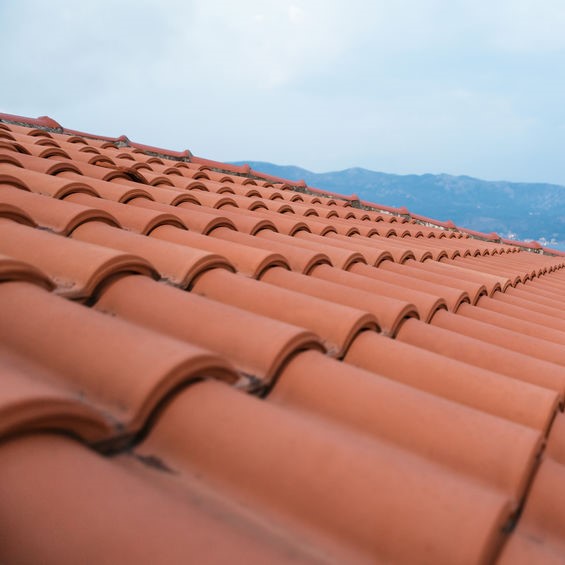
tile roofing

Are imitation tiles good?

Synthetic slate tiles are known for their highest fire-resistance rating, something that your insurance company will love you for having. Because they are lightweight, the transportation and installation is easier, making it less expensive that many of the other roofing materials on the market today.

Why get imitation tiles? They look as good as real slate tiles and have the same Class A fire-resistance rating against severe exposure to fires externally. They don’t spread the fire. Because they are light weight, they are easier to transport and install, all which makes them cheaper. Call 214-373-1500 today for tile roofing in Dallas, TX.

What Type of Roof Shingles are Best?

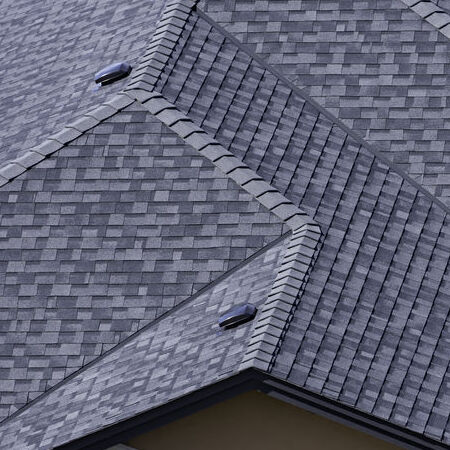
roof shingles

What Type of Roof Shingles Are Best?

Many homeowners have composition shingle roofs. There are a number of reasons why these roofs are desirable for property owners. However, it is also important to consider which type of roofing shingles is best. As any professional roofing company can tell you, your budget will be a big factor in the overall decision that you make for your property. Three-tab shingles are an inexpensive and effective choice. On the higher range of the roofing materials cost is wooden, tile, and solar shingles. With proper maintenance, any roofing material can have an extended lifetime.

How Long Does a 30 Year Roof Really Last?

With proper roofing maintenance, yearly roof inspections, and an excellent roofing company at your disposal, your 30-year roof can exhibit great longevity. However, if you live in an area of the country that has dangerous weather patterns, that roof longevity will diminish. Likewise, if you don’t get annual roof inspections and repairs, you can expect your roof quality to lessen greatly over the years. A 30-year shingle may not last 30 years even if it is properly cared for in some cases. That is why it is important to have a conference with your local, respectable roofing company. If you want a roof that exhibits longevity, that conversation is best had with your responsible and reliable roofer.

What Are the Longest Lasting Roof Shingles?

Are you wondering what are the longest lasting roof shingles? You are not alone. Roof longevity is a very important consideration for homeowners. Please review the following bullet-pointed list to discover more. 

  • In terms of shingles, laminated shingles come with a lifetime warranty and fall into two categories: 
    • Dimensional shingles. These shingles have a standard architectural shingle pattern. 
    • Luxury shingles. These shingles more closely resemble shakes or slate shingles.

How Many Shingles Do I Need for My Roof?

If you are wondering how many shingles are necessary for your roof, the calculations can actually be quite easy to produce. A roofing square is equivalent to one hundred square feet of roof. In order to comprehend the number of squares, it will be important for you to divide the total number of square feet by 100. For example, if the square footage of your roof is 32,000 feet, then you will divide that number by 100. You would need 320 roofing squares.

Which is Better Asphalt or Fiberglass?

There are many choices to make in the roofing market. For the roof of your home, you may be wondering which shingle composition will best benefit you. It’s critical to consider what material is being used for your roofing material. Fiberglass shingles exhibit longevity, lasting anywhere from twenty-five to fifty years. Traditional asphalt shingles can last fifteen years. With proper maintenance, you can make any roofing material last longer than it’s projected roof life. When your roof is exhibiting signs of weakness, it will be important for you to consult with a professional roofing company. A good project manager will be able to deduce the best course of action for your roof system.

Are Roof Shingles Supposed to Flap

If your home has experienced strong winds, it will be critical for you to receive a proper roof inspection. Wind uplift has the capability of breaking down the adhesive seal on your shingles. Once the adhesive seal on your shingles is broken, the shingles could tear off completely. When your roof shingles are loose, rainwater can get underneath your roof, penetrating your underlayment.

What Roof Shingles

Now that’s we’ve covered many of the intricacies of roofing shingles, let’s take a step back to ascertain exactly what roof shingles are. Roof shingles are a covering for your roof that is made up of overlapping elements. Shingles are usually flat, rectangular shapes laid in courses from the bottom edge of the roof up. Each successive row of shingles will overlap the joints below.

What Roof Shingles are the Best Quality

While asphalt shingles are admirably affordable, in terms of longevity, you may want to consider other roofing options. Slate, metal, and tile roofs are more expensive than asphalt shingles, but they exhibit a longer roof lifetime. It will also be important to consider the roof warranty, and which roof will benefit the homeowner’s insurance for your home. 

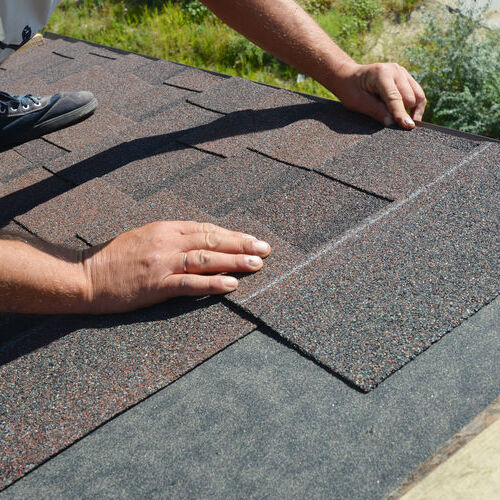
roof shingles

Roof Shingles for Shed

Does your shed need some roof shingles? Many roofing companies can be called upon to perform a small but professional roof installation. The more professional the roof installation, the longer it will last, generally speaking. Whether you are desiring metal shingles, laminate shingles, or asphalt roof shingles, a responsible roofing company can be called upon to perform a good inspection, survey, and installation.

If you need roof shingles in Dallas, TX, it will important for you to receive the best roofing assistance. Please reach out to us at 214-373-1500.

How do I prepare my roof for replacement?

Getting Ready for a Roof Replacement

Updating and Maintaining Your Roof

Your residential roof has several important jobs to do. Not only must it protect the overall condition of the home from the elements, but it must also look good. The older a roof gets, the less effective it is at providing adequate protection, no matter how well-maintained it may be. That’s why it is highly recommended for roofs that are 20 years or older to be replaced or restored. By doing either of these services, you guarantee yourself a long-lasting roof that will be reliable, protective, and durable. For more information about a roof replacement in Dallas, TX, contact Eclat Roofing. We’re available now at 214-373-1500.

Installing New Shingles for Roof Replacement

Roof Replacement vs Repair

There is actually a big difference between a roof replacement and roof repairs. With a roof replacement, contractors will completely strip the roofing down to the roof decking. From there, they will need to make any necessary repairs to the decking and then they can install a brand new roofing material. One clear distinction to make here that can confuse homeowners is that, roof replacement does not include insulation replacement. Unless the insulation in your attic has been badly damaged, roof replacement and insulation replacement are two separate services. That also applies to roof repairs. With roof repairs, contractors will find the damaged area of your roof and begin replacing the damaged shingles or material. 

When you would you choose a roof replacement over repairs? You would need to replace your roof when the cost to repair it would be more, overall, than the initial cost to replace the roof. This happens when there is severe water damage from a leak or when the roof has been badly damaged during a storm. It’s usually during those instances when a roof replacement with insurance will happen. If you are just replacing your roof because it is old, insurance usually won’t cover that. Deciding to replace your roof is a big decision and one that shouldn’t be taken lightly. Talk with a contractor at Eclat Roofing to go over your options.

Benefits of a Roof Replacement

When you are getting ready for a roof replacement or repair, there are several steps you can take to prepare your home. By doing these things you’ll be able to help make the process just a little easier and more efficient.

  • Move kids and pets: If there are younger children or anxious animals in the home, it might be best to move them during the replacement process. The loud noises and new people can be frightening. 
  • Move cars: Make sure to move any cars away from the house. Doing so will allow your contractor to park closer to the house so they have easy access to their tools and supplies. Additionally, moving your car will protect it from debris and possible damage.
  • Cut back trees: To make the job of your contractor a little easier, trim back any tree limbs or branches that may be hanging over your roof. This will provide a clear workspace for roofers so they don’t have to spend more time on your roof.
  • Takedown decorations, antenna and more: If you are concerned about pictures or decorations in your home being damaged by the vibrations on the roof, go ahead and take them down. Do the same with any antenna or satellite dishes that may be on your roof.
  • Cover valuables: Cover any valuable items in your attic with a dust cover or drop cloth. This will ensure any falling dust or other debris don’t damage the important. If possible, remove them from the attic. If not, be sure to completely cover them before the replacement process gets started. 

Similar to if you were completing a bathroom and kitchen repair, taking the time to get your house in order before will make the entire process run that much smoother.

Frequently Asked Questions

  • How long does a roof replacement take?
    • The time to completely replace a roof will vary based on the size of your roof. It could take anywhere from 1-3 days or longer. 
  • How long should a roof last?
    • Most traditional roof, like asphalt shingles, should last about 20-25 years. With regular maintenance, however, they can last up to 30 years but should not go further than that.
  • What does roof replacement mean?
    • This means that contractors will be replacing a majority of the roof material and/or structure with newer, not damaged materials. Often they need to strip the roof down to the roof decking and make repairs to the structure before completing the replacement process. 
  • Should I stay home during a roof replacement?
    • It’s not necessary that you stay home during the replacement process. Most contractors work during business hours, which means they will be at your home while you are at work. If the noise doesn’t bother you, you can absolutely stay though.
  • How much does it cost to replace a roof?
    • The cost for replacement will vary based on the size of your roof, the market you are in and more. Generally speaking though, the cost for replacing a roof could range between $1,500 all the way to $6,000 or more.
Roof Replacement in Process

Want to Learn More? Give Eclat Roofing a Call Today!

Get ready to have the best roof for decades to come. Contact Eclat Roofing at 214-373-1500 to discuss a roof replacement in Dallas, TX. We’re ready to start working with you! 

About Us At Eclat Roofing

When you find yourself searching for a roofing service, you want only the best qualified roofer for the job. Your home is a huge investment, so it only makes sense to find someone who can properly care for it. What you’ll learn about us at Eclat Roofing in Dallas, Tx when you utilize our services is that we are totally driven to provide work that meets your satisfaction. Here’s a little more information about our company:

Eclat Roofing Logo


Our History:

Eclat Roofing was founded by Richard W. Wells in 1999 as a private company. It offers both residential and commercial roofing services in Louisiana, Texas and Oklahoma. We remain in A+ standing with the Better Business Bureau, and are proud to have zero complaints. Our history of exceptional customer service stands for itself; just ask one of our thousands of satisfied clients.

Our Goal:

We have a lot of pride in the work we do; that’s why our goal is simple, a completely content and happy customer. We haven’t finished our work until this goal is met. When you work with a roofer from Eclat, they will go over all of your roofing service options until you are 100% sure on what you want. Then, that is exactly what they will get done.


What we want you to know about us at Eclat Roofing in Dallas is that you are our top priority. We tailor our work around what you want. To find out more, you can speak to one of our friendly representatives at (214) 373-1500 or (817) 800-1881.

Shingle Recycling

Shingles: Continuing the Cycle

Picture of shingle tear-offWhen the time comes that your shingle roof has reached the end of its lifespan, many homeowners simply have their shingles torn off and disposed of. However, shingles account for around eleven million tons of waste in landfills in America every single year! If you are interested in finding a greener solution for shingle tear off, consider shingle recycling. 

Why recycle shingles?

Although shingle roofing is a great, affordable roofing system for homes and businesses, it contributes largely to waste in the U.S. And asphalt shingles can take upwards of decades to decompose. They also compact poorly which leads to dangerous methane pockets in landfills.

However, over time solutions have been found to use recycled shingles. Old recycled shingles can be used in new projects such as all of the following:

  • Symbol for shingle recycling in DallasCreating new shingles
  • Making hot asphalt mix
  • Cold patching roads
  • Dust control for dirt roads
  • Fuel source
  • and more!

How can I recycle my shingles?

Recycling shingles in Dallas is an easy process. The DFW area has many viable resources for shingle recycling including “roof to road” programs. The following links provide further information on where to recycle your shingle roofing products.

Recycling your shingles is a practical way you can help the environment during your roofing project. Let us know at Eclat Roofing if you are interested in shingle tear off and recycling during your next roofing project.